.
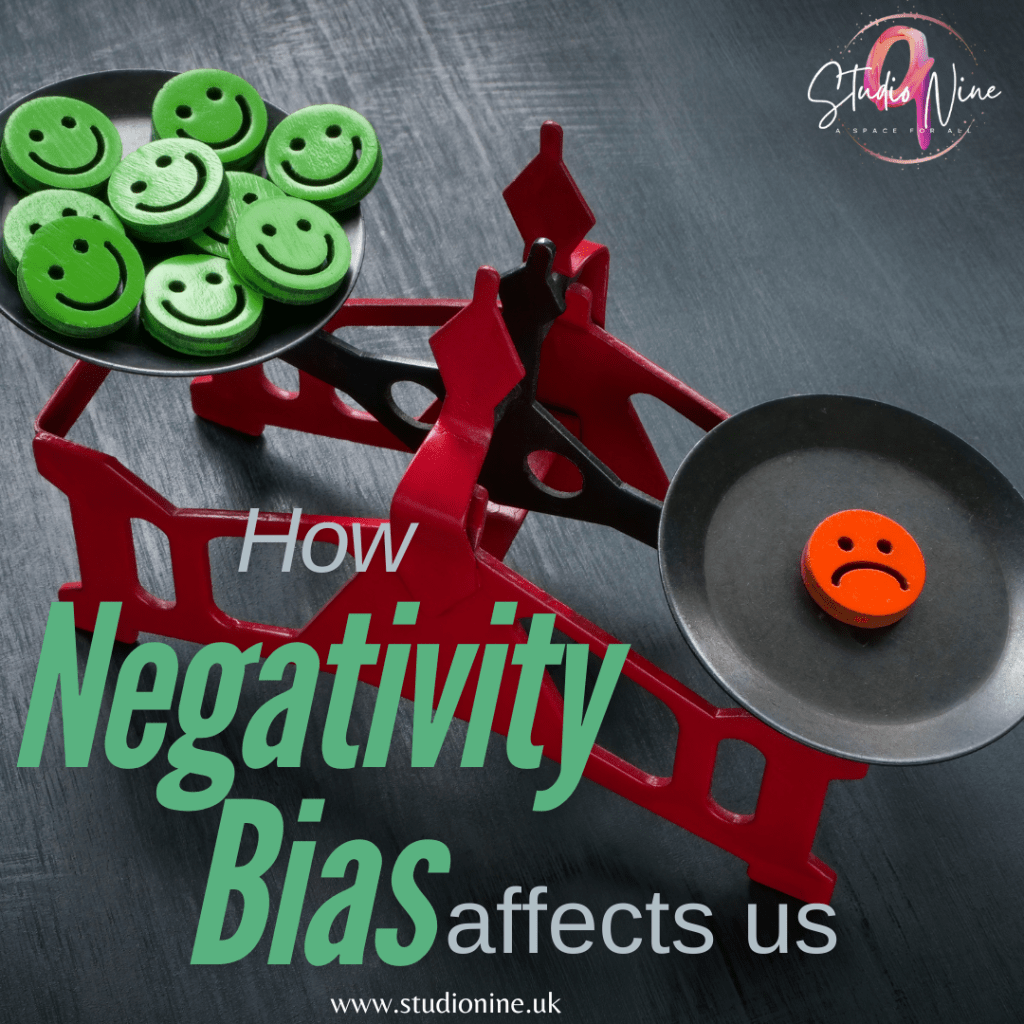
Have you ever noticed how one negative comment can stick with you all day, even when surrounded by a sea of positive feedback? Or how a single failure can overshadow all the progress you’ve made? I know I have. It’s frustrating, and it feels like you’re trapped in a loop, constantly replaying those negative moments in your mind. What I didn’t realize at the time was that this isn’t just me being overly sensitive—it’s something much bigger at play, called negativity bias.
Negativity bias is the tendency of our brains to pay more attention to negative experiences than positive ones. This isn’t something we choose to do—it’s deeply ingrained in us, shaped by evolution. Our brains are wired to remember the threats and challenges because they were crucial for survival. Think back to our ancestors: they had to remember which berries were poisonous, which animals were dangerous, and which situations could lead to harm. This helped them stay alive. Unfortunately, in today’s world, this bias still plays a role, but instead of helping us survive the wild, it impacts how we view ourselves, our relationships, and our work.
I often find myself focusing on the one mistake I made at work, even though I accomplished so much that day. Or I let a single critical remark overshadow all the positive things someone said. Sound familiar? It’s like my brain has a magnet for negativity. The real kicker? This kind of thinking doesn’t just impact my mood—it affects my self-esteem and productivity too.
The good news? We can train our brains to counteract negativity bias.
Here’s how I’ve been trying to shift my perspective and reclaim my mental space:
1. Acknowledge It
First, I remind myself that this bias is normal. Our brains are built this way, and that’s okay. Knowing that negativity bias exists helps me avoid feeling like there’s something wrong with me for reacting the way I do. I can acknowledge it without letting it take over.
2. Practice Gratitude
When I catch myself spiraling, I try to focus on the positive—something as simple as a cup of coffee or a great conversation. Practicing gratitude isn’t just about saying thank you; it’s about rewiring my brain to notice the small moments of joy. Studies have shown that gratitude can reduce the impact of negativity bias and improve overall well-being (Emmons & McCullough, 2003). It’s like my brain starts to find a balance.
3. Reframe the Negative
Instead of letting negative thoughts dominate, I try to reframe them. If I make a mistake, I remind myself that mistakes are a part of growth. I think about what I can learn from the situation rather than letting it define me. Changing my self-talk has been one of the most powerful tools in my journey. When I catch myself being harsh, I ask, “What would I say to a friend going through this?”
4. Focus on the Positive
I make an effort to celebrate small wins. Whether it’s finishing a project, completing a task, or just making it through a tough day, these victories deserve recognition. This helps me build momentum and remind my brain that positive things are happening too.
5. Mindfulness
Mindfulness has been a game-changer in helping me stay present instead of ruminating on the past. When I’m able to focus on the present moment, I’m less likely to dwell on negative thoughts. Being mindful helps me detach from the automatic responses my brain wants to give in to.
Why Does This Matter?
Negativity bias can affect every aspect of our lives, from work to relationships to our self-worth. When we’re constantly focusing on what’s going wrong, we’re robbing ourselves of the opportunity to enjoy the good things, learn from our experiences, and grow. It’s not about ignoring problems—it’s about finding balance and perspective.
By learning to recognize the patterns of negativity bias and actively working to challenge them, we can create space for a more positive, balanced mindset. It’s a work in progress, but every small shift makes a difference.
So, next time you find yourself obsessing over a negative comment or mistake, remember: It’s not your fault, it’s your brain doing its job. But you have the power to change the narrative.
What about you? How do you manage negativity bias? I’d love to hear your thoughts and tips!
Sources:
- Emmons, R. A., & McCullough, M. E. (2003). Counting blessings versus burdens: An experimental investigation of gratitude and subjective well-being in daily life. Journal of Personality and Social Psychology, 84(2), 377-389.

 Studio Nine