Introduction: A New Year, A New Approach
As a leader, I’ve walked the path of wearing too many hats, believing delegation was a burden on others. Sound familiar? In a culture that glorifies hustle, we often mistake endless availability for dedication. But as we step into a new year, it’s time to rethink how boundaries and micro habits can create healthier, more sustainable workplaces—for leaders and employees alike.
In this post, we’ll explore practical strategies for setting boundaries, the ripple effect on mental health, and how tiny, consistent changes can reshape your work life.
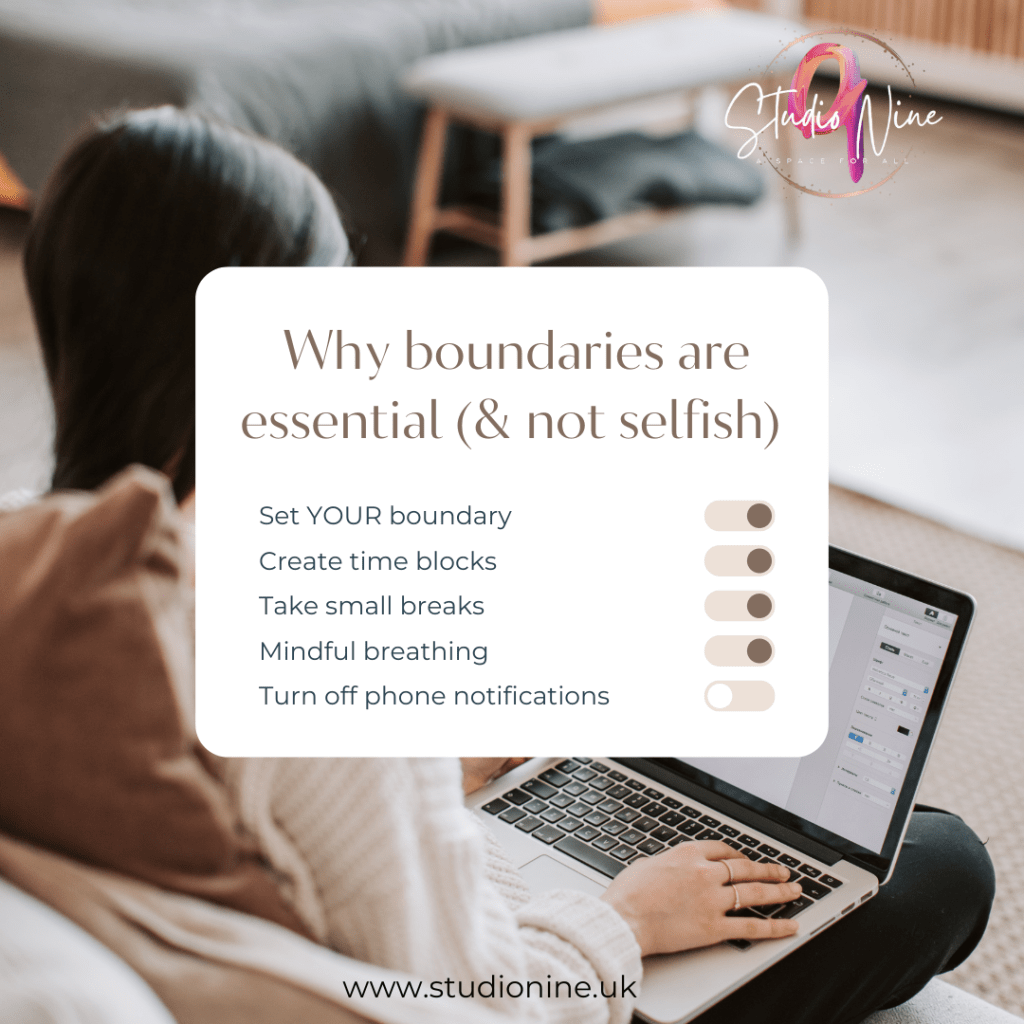
Why Boundaries Are Essential (and Not Selfish)
Boundaries are not about shutting people out; they’re about creating space for your best work and well-being. Research from the American Psychological Association highlights that employees with clear boundaries experience:
- Lower burnout rates
- Higher productivity
- Greater job satisfaction
For leaders, setting the tone for boundaries can transform team dynamics. When people see their managers respecting personal time and focus, it fosters a culture where balance is valued.
Simple Boundaries You Can Start Today
- Employees: Block out 15 minutes of uninterrupted downtime each day. This small act of protecting your mental space can significantly reduce cognitive fatigue.
- Leaders: Implement meeting-free focus hours or set expectations around after-hours communication. A policy of “non-urgent emails after 6 PM are answered the next day” can do wonders for team morale.
Micro Habits: Small Changes, Big Impact
Change doesn’t have to be revolutionary to be effective. Micro habits are tiny, intentional actions that compound over time, making new behaviours stick without overwhelming your routine.
Examples of micro habits for a healthier work life:
- Mindful breathing before meetings: Just 30 seconds of deep breathing can lower cortisol levels and improve clarity.
- One-minute mental check-ins: Ask yourself, “Am I working on what matters most right now?” This practice refocuses your energy.
- Automatic breaks: Use calendar reminders to take five-minute movement or hydration breaks every two hours.
Leaders: Boundary-Setting Starts with You
Employees often model the behaviour they see from leadership. When you protect your time, you give permission for others to do the same. Here’s how:
- Create a team manifesto for boundaries: Define what good communication, availability, and focus look like for your team.
- Be transparent: Share your own boundary-setting journey to normalise the conversation.
A Mental Health Perspective: Why Boundaries Are a Form of Self-Care
The mental load of always being “on” can lead to chronic stress, anxiety, and burnout. Boundaries act as a buffer, allowing your brain to recharge. When micro habits support these boundaries, they become more sustainable.
Conclusion: Building Bridges, Not Barriers
Boundaries and micro habits are tools, not walls. They don’t isolate—they create pathways to more intentional, joyful work.
What one boundary or micro habit will you try first? Let’s build a healthier 2025 together. For more tips on creating balance in your professional life, stay connected with our blog for practical insights and encouragement.
Download a free conversation to guide to help implement a boundary at work

 Studio Nine