Why the Vagus Nerve Matters
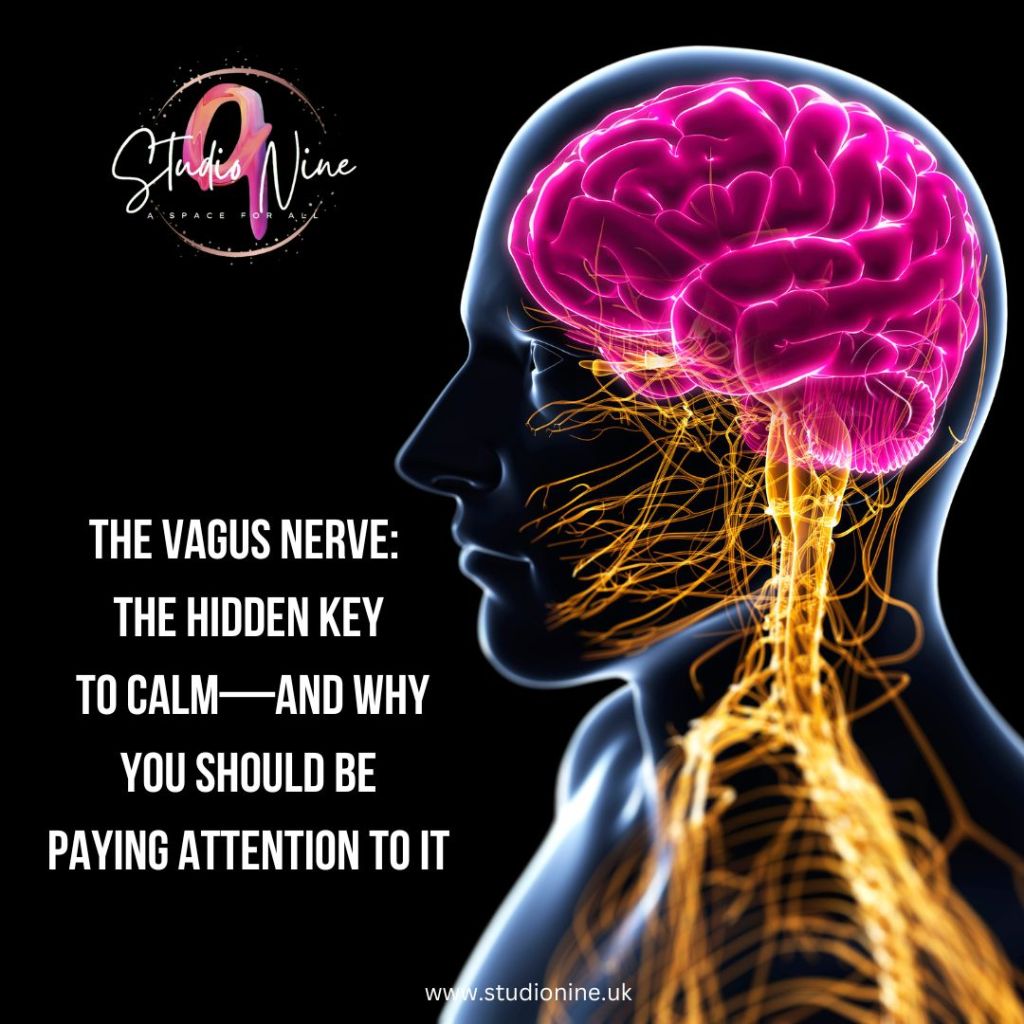
Have you ever felt your heart racing before a big presentation? Or experienced a gut-wrenching feeling when stressed? You can thank your vagus nerve for those responses. As a central part of the parasympathetic nervous system, the vagus nerve is responsible for regulating your body’s “rest and digest” functions—everything from heart rate and digestion to mood and immune response. When it’s working well, it helps bring calm and balance. But when overstimulated or underperforming, it can contribute to a cascade of health problems.
The Cost of an Overstimulated Vagus Nerve
When your vagus nerve is overworked due to chronic stress or high cortisol levels, the body stays stuck in a heightened state of arousal, known as sympathetic overdrive. This can lead to:
- Increased anxiety and depression
- Poor digestion and gut health issues
- Increased inflammation
- Difficulty sleeping
- Heart rate variability imbalances, linked to cardiovascular problems
The long-term effects? Burnout, weakened immunity, and even greater risks of serious health conditions. A 2023 study published in The British Journal of General Practice highlights the link between poor vagus nerve function and the rising rates of stress-related absenteeism in UK workplaces. NHS data from 2024 underscores this further: mental health-related sick days cost the UK economy over £9 billion annually.
How to Activate and Calm the Vagus Nerve
The good news? The vagus nerve is remarkably responsive to lifestyle changes and practices that promote calm and relaxation. Here are science-backed strategies:
1. Breathwork
Studies, including research from King’s College London, show that diaphragmatic breathing (deep belly breathing) can stimulate the vagus nerve and lower cortisol levels in as little as 60 seconds. Incorporating guided breathwork classes into your weekly routine can significantly improve mental clarity, reduce anxiety, and boost overall resilience.
2. Meditation and Mindfulness
Mindfulness practices are known to increase vagal tone—the measure of how well your vagus nerve functions. Research from the University of Oxford found that regular meditation improves heart rate variability, a key indicator of nervous system health, while decreasing symptoms of chronic stress and depression.
3. Cold Exposure
Cold showers or immersing your face in cold water can activate the mammalian dive reflex, stimulating the vagus nerve and promoting a sense of calm.
Why Breathwork and Wellness Classes Matter
At Studio Nine, we believe in using science-based practices to help individuals calm their nervous systems and build mental resilience. Whether through breathwork, guided meditation, or holistic wellness workshops, these practices are designed to:
- Lower stress hormones like cortisol
- Improve focus and decision-making
- Increase vagal tone for better health and emotional regulation
A Final Thought—Calm Is Contagious
When you regulate your own nervous system, it creates a ripple effect. Calmer leaders inspire calmer teams. Parents with better vagal tone raise more resilient children. Communities connected by wellness thrive together. Investing in your health isn’t just personal—it’s transformational.
If you’re curious about how breathwork or wellness sessions can boost your wellbeing, let’s start a conversation. Your vagus nerve might just thank you for it.
Download our free breathwork plan to calm your vagus nerve

 Studio Nine