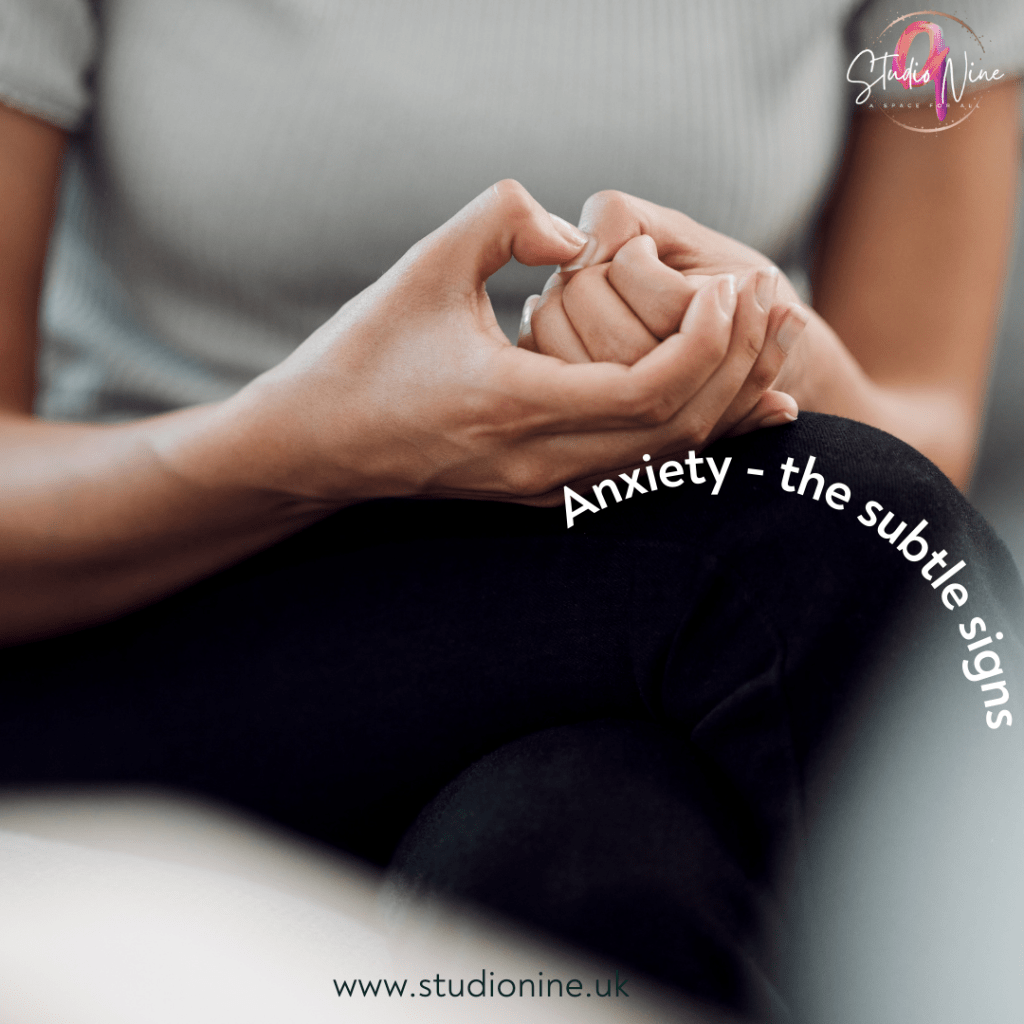
In today’s fast-paced work environments, anxiety has become a silent but pervasive force affecting employees at all levels. According to Mind.org.uk, one in six workers experiences mental health issues like anxiety, depression, or stress at any given time. Yet, many employees don’t recognize the subtle signs of anxiety until it starts to take a significant toll on their performance and wellbeing. This guide explores common workplace anxiety triggers, five subtle signs often overlooked, and actionable strategies to manage anxiety before it escalates.
Understanding Anxiety Triggers in the Workplace
Workplace anxiety can stem from various sources, and the pressure to perform or meet deadlines is only one piece of the puzzle. The following triggers are among the most common:
- Workload Overload: Excessive tasks with little time for completion
- Lack of Control: Feeling powerless over work decisions or outcomes
- Poor Work-Life Balance: An inability to disconnect from work after hours
- Unclear Expectations: Confusion about roles, responsibilities, or goals
- Interpersonal Issues: Conflict with colleagues or a toxic work culture
Recognizing these triggers early can help mitigate their impact. However, identifying anxiety itself requires more nuanced awareness.
Five Subtle Signs of Anxiety Most People Miss
1. Constant Fatigue
Feeling perpetually tired, even after a full night’s sleep, is often dismissed as a sign of working too hard. However, ongoing fatigue could be linked to high cortisol levels, the body’s primary stress hormone. Persistent anxiety keeps cortisol elevated, leaving you in a state of chronic stress that exhausts both mind and body.
What to do: Incorporate breathwork exercises into your day to help lower cortisol. Simple practices like box breathing (inhaling for four counts, holding for four, exhaling for four, holding again) can calm the nervous system and combat fatigue.
2. Decision Fatigue
Struggling to make even simple decisions? This could be more than just indecisiveness. Anxiety can overwhelm the brain’s executive functions, making choices feel mentally exhausting. Decision fatigue is particularly common in high-pressure roles where constant judgment calls are required.
What to do: Break decisions into smaller, manageable steps and use strategies like the two-minute rule (if it takes less than two minutes, do it now) to reduce overwhelm.
3. Muscle Tension and Unexplained Aches
Physical manifestations of anxiety often show up as tight shoulders, jaw clenching, or recurring headaches. These symptoms are the body’s way of holding onto stress and can lead to long-term discomfort if left unchecked.
What to do: Practice regular body scans to identify and release tension. Start from your toes and work upward, focusing on relaxing each muscle group.
4. Avoiding Social Interactions
If you’ve started declining invitations to team lunches or avoiding casual chats by the coffee machine, social anxiety may be at play. Isolation is a coping mechanism that can quickly become a habit, making it harder to re-engage with colleagues.
What to do: Schedule brief, low-pressure social moments, like a five-minute chat with a trusted coworker, to slowly build confidence and connection.
5. Procrastination
Putting off tasks—especially ones tied to performance or deadlines—can be a sign of underlying fear of failure or self-doubt, both linked to anxiety.
What to do: Use the Pomodoro Technique to break tasks into short, focused intervals with timed breaks. This can make overwhelming projects feel more manageable and reduce avoidance behaviors.
Building Anxiety Management into Your Daily Work Life
- Breathwork for Quick Calm
Breathwork is a powerful, immediate tool for anxiety management. Techniques like diaphragmatic breathing and coherent breathing (breathing in for six seconds and out for six) are scientifically proven to reduce stress. The NHS highlights breathing techniques as a first-line strategy for calming the mind. - Mindful Mornings
Starting your day with a mindful practice sets a calm tone for the hours ahead. A short guided meditation using apps like Headspace or Calm can help ground your thoughts before work begins. - Scheduled Movement Breaks
Sitting for long periods exacerbates both mental and physical tension. Incorporating a quick stretch or short walk every hour refreshes your body and boosts mood-enhancing endorphins. - Set Boundaries on Availability
Work-life balance is critical. Consider adopting a ‘no notifications’ rule after work hours or setting clear ‘focus times’ to reduce interruptions. - Self-Compassion Journaling
Journaling isn’t just for processing emotions—it’s a proactive tool for self-kindness. Reflect on daily wins, lessons learned, and positive affirmations to build a resilient mindset.
When to Seek Professional Help
While self-management strategies are invaluable, there are times when additional support is necessary. The NHS recommends seeking help if:
- Anxiety begins to interfere significantly with your daily life
- You experience frequent panic attacks
- Sleep is consistently disrupted by worry
Consider speaking with your GP or accessing resources from charities like Mind.org.uk and Anxiety UK, which offer free and low-cost therapy options.
Call to Action: Mental Health Training Solutions
Investing in mental health training for your workplace can create lasting change. Studio Nine offers tailored workshops and interactive sessions on anxiety management, breathwork, and mindfulness for professionals. Empower your team with the tools they need to thrive.
Ready to transform your workplace? Contact us to learn more about our corporate wellness solutions.
Conclusion
Anxiety doesn’t have to dominate your workday. By learning to spot subtle signs and incorporating proactive strategies, you can foster a healthier, more balanced relationship with work. Whether it’s a simple breathwork exercise or a deeper journey into self-awareness, the right tools can make all the difference.

 Studio Nine