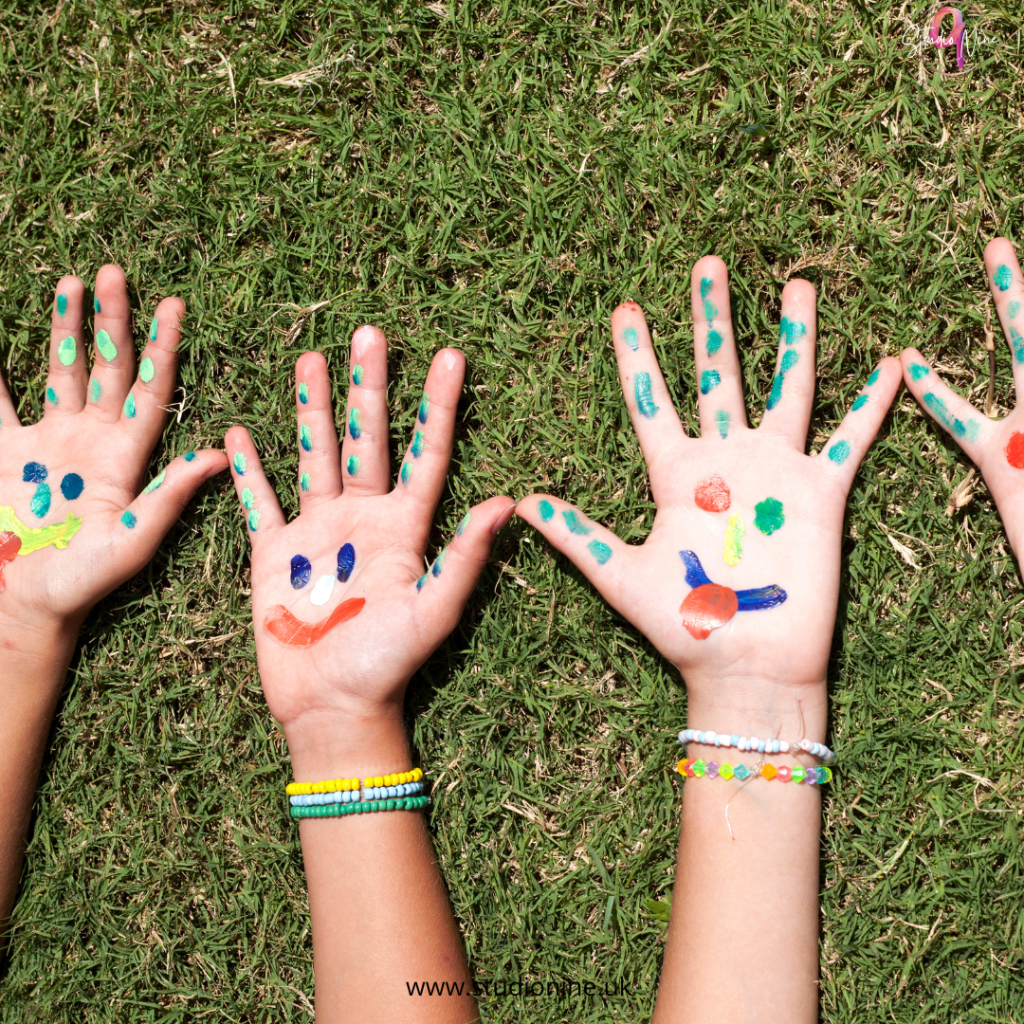
Have you ever found yourself doodling during a long meeting, kneading dough on a slow Sunday, or absentmindedly twirling a pen while deep in thought? That’s your brain seeking a little solace in movement. Keeping your hands busy isn’t just about passing the time—it’s a powerful way to calm the mind, ease anxiety, and bring a deep sense of satisfaction.
In a world where we’re constantly consuming information—doom-scrolling, refreshing emails, checking notifications—our hands often become passive. But when we give them a job to do, something amazing happens. We get out of our heads and into the moment. It’s why activities like painting, knitting, pottery, or even chopping vegetables can feel so grounding. There’s real science behind why keeping your hands busy can be transformative for your mental health.
Why Do Our Hands Like to Be Busy?
Our hands and brains have an intimate connection. The sensorimotor cortex, the part of our brain responsible for movement and sensation, dedicates a huge portion of itself to our hands. They are designed for activity, dexterity, and creating.
Studies from neuroscience journals suggest that engaging in hands-on activities activates the parasympathetic nervous system, the part responsible for rest and relaxation. It helps counterbalance our fight-or-flight response, lowering stress hormones like cortisol and reducing overall anxiety.
This is why you might find relief in something as simple as kneading dough, crocheting, or even folding laundry—your hands are engaged in a rhythm, creating a meditative flow state that soothes the mind.
When Do We Need to Keep Our Hands Busy?
There are certain moments when working with our hands is particularly beneficial:
🔹 When anxiety strikes – If your mind is racing, focusing on a tactile activity can redirect nervous energy. It’s like giving your thoughts a rest while your hands take the lead.
🔹 When overthinking kicks in – Ever spiral into “what ifs” or “should haves”? Keeping your hands engaged in something creative or repetitive (like knitting or coloring) helps pull you into the present moment.
🔹 When you’re feeling stuck – Struggling with writer’s block or decision fatigue? Doing something hands-on—cooking, gardening, or even tidying—can shake loose fresh ideas.
🔹 Before bed – Scrolling your phone at night overstimulates your brain, but a hands-on ritual, like journaling or doing a puzzle, can calm your nervous system and help you wind down.
The Vagus Nerve and the Power of Touch
The vagus nerve is a key player in relaxation, controlling everything from heart rate to digestion. Activating it through rhythmic, repetitive movement (like handwork) can trigger a deep sense of calm. Research from psychology and medical journals suggests that activities like kneading clay, braiding, or embroidery stimulate this nerve, sending signals to the brain that say, “You’re safe. You can relax.”
Ever notice how comforting it feels to run your fingers over textured fabrics or rub smooth stones between your hands? That’s because tactile stimulation releases dopamine and serotonin, the brain’s natural mood boosters.
Mental Health Benefits: The Science of ‘Doing’
Keeping your hands busy isn’t just about distraction—it’s about engagement. When you physically create or complete something, you experience a rush of accomplishment. This is why even small victories, like finishing a puzzle or baking a cake, can improve mood and increase self-esteem.
Psychologists call this the “effort-driven reward cycle”—when we engage in goal-directed activities, our brain rewards us with positive feelings. This process can be particularly helpful for those dealing with depression or anxiety, as it encourages a sense of control and purpose.
A study from an art therapy journal found that people who regularly engage in creative, hands-on tasks report lower stress levels and improved emotional resilience. Even something as simple as doodling in the margins of a notebook can provide a therapeutic release.
The Pure Joy of Completing a Task
There’s a reason why hobbies like wood carving, painting, or gardening feel so fulfilling. Seeing a tangible result of your effort—a finished project, a home-cooked meal, a handmade gift—gives a real sense of achievement. In a world where digital work often feels intangible, creating something with your hands is deeply rewarding.
In fact, research suggests that engaging in physical, creative work can improve mental clarity, focus, and patience. It encourages mindfulness, as you become absorbed in the process rather than the outcome.
Final Thoughts: Give Your Hands Something to Do
If you’re feeling overwhelmed, anxious, or just out of sync, try keeping your hands busy. Find something you love—painting, pottery, embroidery, gardening, baking, or even just playing with a stress ball. Notice how it shifts your energy, slows your thoughts, and brings a sense of calm clarity.
Your hands are wired to create, to touch, to engage. And sometimes, the simplest way to heal your mind is to let them do what they were made to do.
👉 What’s your go-to hands-on activity when you need to clear your mind? Let me know in the comments!

 Studio Nine