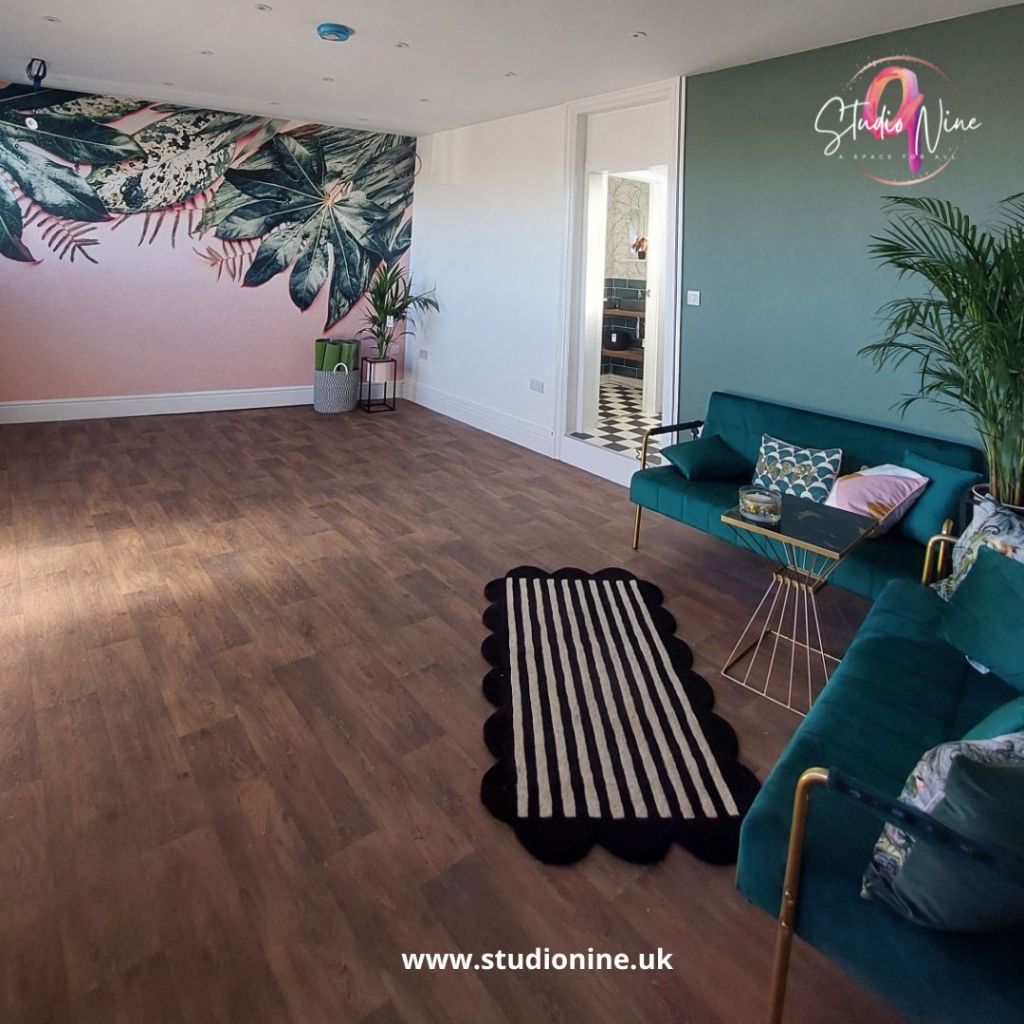
You Don’t Need a Plan — You Need Space
January often arrives with an unspoken demand.
Not just to begin — but to decide.
What’s next. What matters. What you’re committing to this year.
For many people, that pressure lands before there’s been any real space to think. Emails return. Diaries fill. Conversations speed up. And suddenly, you’re trying to make clear decisions inside the same environment that’s already overwhelming you.
When clarity doesn’t appear, people assume something is wrong with them.
Usually, it isn’t.
When Everything Feels Harder to Decide
If decision-making feels heavier than usual in January, there’s a reason.
You’re often dealing with:
- Mental overload after a full year of constant input
- Emotional residue from endings, expectations, and reflection
- A nervous system that hasn’t fully settled back into rhythm
Clarity doesn’t come easily under those conditions.
At Studio Nine, we see this repeatedly — capable, thoughtful people feeling stuck not because they lack ideas, but because they’re trying to access clarity without first changing the conditions around them.
This is why confidence so often wobbles at the same time decisions feel difficult. Confidence relies on steadiness. And steadiness is deeply influenced by environment.
Why Space Changes How You Think
We talk a lot about the impact of space on decision-making — because thinking doesn’t happen in isolation from where you are.
Your brain is constantly responding to:
- Noise
- Visual clutter
- Interruptions
- Emotional associations with familiar places
When you stay in the same environment where stress, pressure, or overthinking already live, your thoughts tend to loop. You revisit the same questions. You second-guess decisions. You feel busy without moving forward.
Changing your space doesn’t magically give you answers — but it creates the conditions for them to surface.
This is often the missing step between confidence forming internally and visibility or action externally — something we explored in our recent piece on confidence before visibility.
Space Is Not Indulgent — It’s Functional
Many people resist stepping away because it feels indulgent.
They tell themselves:
- “I should be able to think this through at home.”
- “I just need to push through.”
- “Once I have a plan, then I’ll create space.”
In reality, it usually works the other way around.
Space comes first.
Clarity follows.
When pressure reduces, your thinking broadens. When your nervous system settles, priorities organise themselves. When you step out of reaction mode, decisions become simpler — not because they’re easy, but because they’re clearer.
What Space Actually Gives You
Space doesn’t give you a to-do list.
It gives you perspective.
People often notice that when they step into a calmer, neutral environment, they:
- Stop over-explaining their ideas
- Feel less urgency to decide everything at once
- Regain trust in their own pace
- Make fewer but better decisions
This is where confidence quietly strengthens — not through hype or momentum, but through alignment.
It’s also why we believe belonging and safety are essential for sustainable growth. When people feel held rather than hurried, they think more clearly and act more intentionally.
Practical Next Steps (If January Feels Noisy)
Here’s where we get practical.
If decision-making feels strained right now, try this:
1. Stop Forcing Conclusions
You don’t need a full plan this week.
You need fewer inputs.
Give yourself permission to pause decisions that don’t require urgency.
2. Change One Thing About Your Environment
You don’t need a full reset — just a shift.
That might mean:
- Working somewhere neutral
- Sitting with a notebook instead of a screen
- Removing yourself from the space where you usually overthink
Clarity responds to contrast.
3. Separate Thinking From Doing
January often collapses these together.
Instead, create space where:
- You think without producing
- Reflect without deciding
- Notice patterns without acting immediately
This is how quiet leadership and confident decision-making are built.
4. Let the Plan Emerge
Plans formed under pressure rarely last.
Plans formed with clarity tend to hold.
You don’t need to force the next step — you need to let it surface.
What This Means at Studio Nine
Studio Nine exists because space matters.
Not just as a physical place, but as a way of working, thinking, and growing. We support people who want to make thoughtful decisions — whether that’s through quiet studio hire, small group sessions, or one-to-one support.
We don’t rush people into action.
We help them create the conditions where action makes sense.
Because when clarity comes first, confidence follows — and visibility becomes a natural extension, not a demand.
A Closing Thought
If January has left you feeling mentally busy but emotionally unclear, pause before you judge yourself.
You may not need a better plan.
You may simply need space to hear yourself think.
And that’s not a delay.
That’s good decision-making.
With Love,
Lizzie xoxo

 Studio Nine