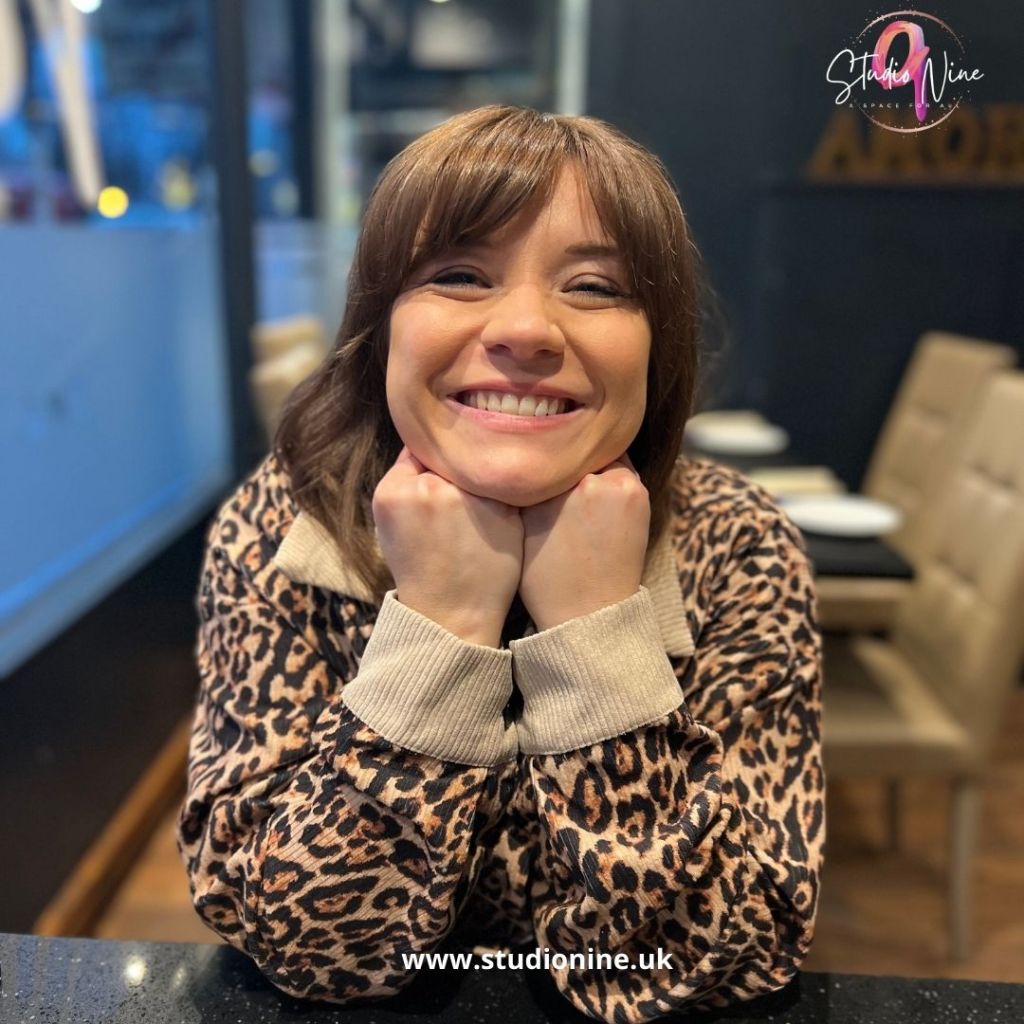
When Expression Feels Safer Than Performance
February brings a subtle shift.
There’s often a little more energy than January. A sense that things should be moving now. That ideas which were resting quietly are ready to be shared. That it might be time to step forward again.
For many people, this is where tension appears.
They want to express something — a thought, a story, a business, a creative idea — but they don’t want to perform. They don’t want to shout, impress, or contort themselves into something that feels unnatural just to be seen.
At Studio Nine, we hear this more often than people realise.
And it usually isn’t a confidence issue.
Expression and performance are not the same thing
Performance is externally driven.
It asks:
How will this land?
Will this be enough?
How do I come across?
Expression is internally anchored.
It asks:
Is this true for me?
Does this feel steady?
Am I sharing because I’m ready — not because I feel pushed?
The two can look similar on the surface. But they feel very different in the body.
Performance often comes with urgency.
Expression comes with calm.
And over time, that difference matters.
Why performance drains confidence
We’ve watched it happen quietly, again and again.
Someone sits in the studio, talking through an idea they care deeply about. When they speak about it naturally, their shoulders soften. Their voice steadies. The idea feels alive.
Then the question appears:
“But how do I post this?”
“How do I make it sound right?”
Suddenly, the energy shifts.
The idea becomes smaller. More edited. Less honest. The person starts second-guessing themselves — not because the idea isn’t good, but because it’s being filtered through expectation instead of trust.
This is what performance does.
It disconnects people from their own voice.
And when that happens repeatedly, confidence erodes — not all at once, but gradually. Quietly. In ways that are easy to miss until expression starts to feel exhausting.
Expression builds confidence because it is self-referential
Expression doesn’t need applause to work.
It builds confidence because it reinforces something internal:
I know what I’m saying. I trust why I’m saying it.
That’s why people often feel more confident writing privately than posting publicly. Or speaking freely in conversation but freezing when a camera appears.
The confidence is already there.
The container just doesn’t feel safe enough yet.
This is something we explore often through conversations around creative confidence and confidence before visibility — because people rarely need more courage. They need environments that don’t demand performance before they feel ready.
Why platform, space, and format matter more than we admit
Not all expression needs the same container.
Some ideas want:
- Conversation before publication
- Dialogue before broadcast
- Practice before permanence
Others want space. Or slowness. Or time to settle.
When people force expression into the wrong format — especially early on — they mistake discomfort for inability.
But often, it’s just misalignment.
This is where space changes how people think and share. When pressure reduces, expression becomes clearer. When the environment softens, people stop over-performing and start communicating.
A grounded check-in (not a test)
If you’re navigating this tension right now, ask yourself — gently, honestly:
- Am I trying to be understood, or approved?
- Does this feel steady, or rushed?
- Would this feel easier in conversation than online?
- Do I need an audience yet — or just clarity?
There are no right answers here.
Just useful information.
How we hold this at Studio Nine
Studio Nine was built around expression, not performance.
That’s why our work spans:
- Quiet studio time
- Conversation-led podcasts
- Reflective writing
- Social media confidence sessions that prioritise how it feels, not just what to post
We believe people grow more sustainably when they’re supported to express themselves in ways that feel aligned — not pressured into visibility before they feel steady.
This approach has shaped everything from how the magazine has grown, to how the podcast conversations unfold, to how people find their way into the studio in the first place.
A final thought
If sharing feels heavy right now, it doesn’t mean you’re not ready.
It may simply mean you’re being asked to choose expression over performance — even if that means moving more quietly than the world suggests you should.
Confidence grows when you trust your own voice first.
Everything else can follow.
With Love,
Lizzie xoxo
.

 Studio Nine