Category: wellbeing
-

The Michelangelo Effect: How Friendships Shape Us
Friendships significantly influence our growth, embodying the Michelangelo Effect, which posits that close relationships either enhance or hinder our ideal selves. Healthy friendships support personal development, while toxic ones foster insecurity. To cultivate supportive bonds, self-reflection and awareness of mutual dynamics are crucial, ensuring both parties uplift one another.
-

Finding Your Tribe: The Strength in Women’s Circles
Women’s groups create transformative spaces where shared experiences foster change, support, and healing. These circles promote emotional resilience, offering structured environments for meaningful conversations about challenges and empowerment. Through connection, mindfulness, and advocacy, women uplift each other, turning pain into purpose while reshaping their communities. Finding such tribes ignites incredible possibilities.
-

GABA: The Brain’s Chill Pill (And How to Tap Into It Naturally)
GABA (gamma-aminobutyric acid) is a neurotransmitter that helps calm the brain, reducing stress and promoting better sleep. Low GABA levels can lead to anxiety and poor sleep. You can naturally boost GABA through diet, exercise, meditation, prioritizing sleep, and stress reduction, avoiding reliance on alcohol or supplements.
-

Growth & New Beginnings – Your Monthly Studio Nine Update!
In March, Studio Nine focuses on growth and new beginnings. The newsletter includes practical tips for embracing change, insights into personal development, and information about upcoming workshops. It encourages readers feeling stuck to take small steps toward positive change, inviting them to download the newsletter for more guidance.
-
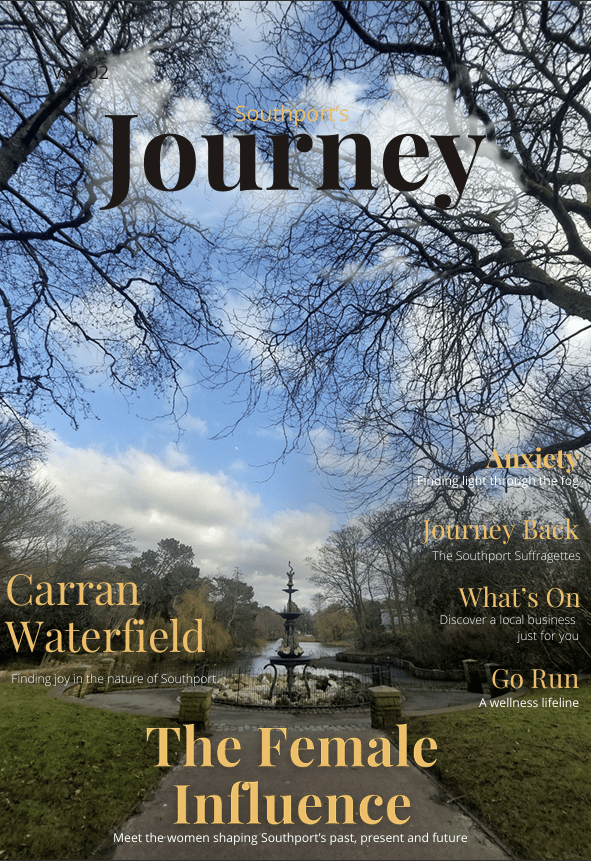
Southport’s Journey Vol 2
The latest edition of our magazine is released, featuring inspiring stories, creative journeys, and local voices, celebrating storytelling and connection. Inside, find interviews, artistic explorations, and future events, alongside highlights of regional talent. Readers are encouraged to share their own stories for possible inclusion in upcoming issues.
-

Why Walking Together Reduces Conversation Anxiety
Walking and talking can facilitate more open conversations by reducing the pressure of direct eye contact and engaging both brain hemispheres. This movement aids emotional processing, diminishes anxiety, and strengthens relationships. Regular walks can enhance physical health while providing a calming space for heartfelt discussions and emotional support.
 Studio Nine